Why a Spring Credit Checkup Matters
Spring is often associated with fresh starts, cleaning, and getting organized and your finances should be no exception. A spring credit checkup is a simple but powerful way to reset your financial awareness and make sure everything is on track.
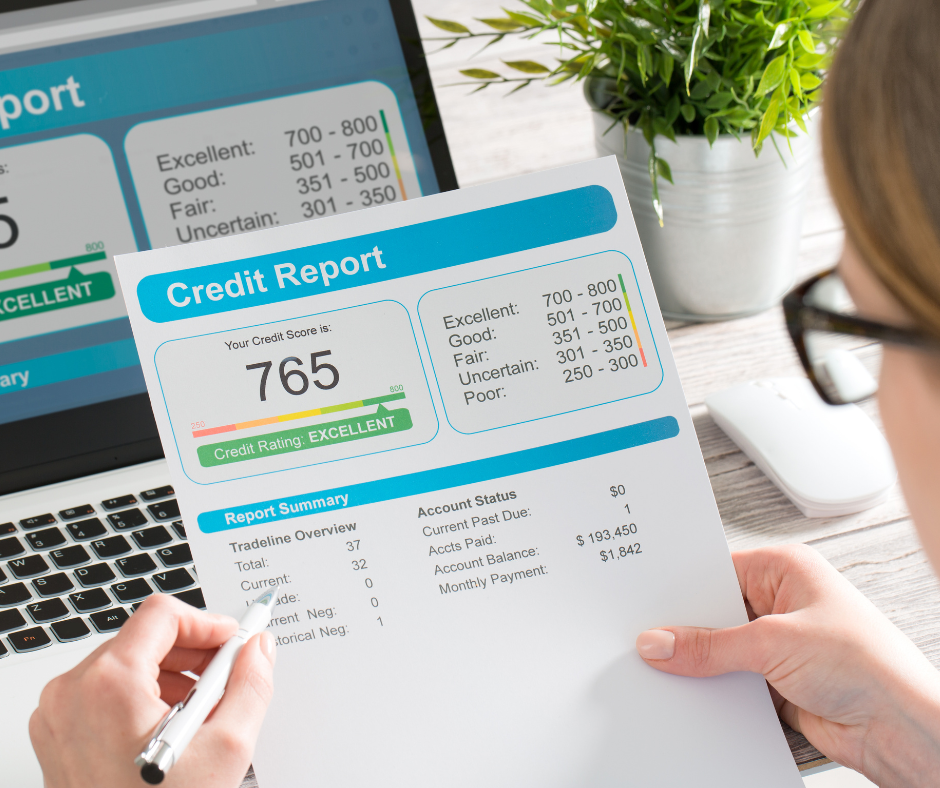
Your credit report plays a major role in your financial life. It can influence your ability to qualify for loans, secure favorable interest rates, or even access certain business opportunities. By reviewing your credit regularly, you can catch potential issues early before they become larger problems.
Even small errors or outdated information can impact your score. Taking a proactive approach allows you to stay in control of your credit instead of reacting to surprises later. Think of it as routine maintenance for your financial health.
Start with the Basics: Personal Information and Account Details
Begin your credit checkup by reviewing the foundational details on your report. This includes your name, current and past addresses, and employment information.
Make sure everything is accurate and consistent. Look closely for unfamiliar variations of your name or incorrect addresses, as these could be signs of reporting errors or even identity issues.
Next, review all listed accounts. Every credit card, loan, or line of credit should be something you recognize. Confirm that each account is reported correctly, including whether it is open, closed, or paid.
Mistakes in this section may seem minor, but they can sometimes point to larger reporting problems that should be addressed.
Review Payment History for Accuracy
Payment history is one of the most important factors in your credit profile. Even a single late payment can have a noticeable impact on your score.
As you review your report, check that all payment records are accurate. Look for any late payments that may have been reported incorrectly. Verify dates, amounts, and account statuses to ensure everything reflects your actual payment behavior.
If you see an account marked as delinquent that you know is current or paid, that is something to investigate further. Correcting even one inaccurate negative mark can make a meaningful difference over time.
Check Your Credit Utilization and Balances
Your credit utilization refers to how much of your available credit you are currently using. This is another key factor in your credit profile.
Review the balances across all of your credit cards and revolving accounts. Even if you are making payments on time, high balances can still impact your score.
If you notice that your utilization is higher than you would like, consider opportunities to pay down balances or redistribute spending across accounts. Keeping your utilization at a manageable level can help support a stronger credit profile.
Regularly monitoring this gives you better control over how your credit is perceived.
Look for Collections, Charge-Offs, or Negative Items
Next, take a close look at any negative items on your report. This includes collections, charge-offs, or past-due accounts.
Make sure all of these entries are accurate and up to date. Check the dates carefully to ensure that items are not being reported longer than legally allowed. If you have paid off a collection, confirm that the status has been updated accordingly.
Understanding what is on your credit report is the first step toward improving it. You cannot fix what you are not aware of.
Watch for Signs of Fraud or Identity Errors
Your credit report can also help you spot potential fraud or identity issues early.
Look for any accounts, inquiries, or activity that you do not recognize. Unexpected hard inquiries or new accounts that you did not open should be addressed immediately.
Catching these issues early can prevent more serious financial complications down the line. Regular credit monitoring is one of the most effective ways to protect yourself.
Understanding Hard vs. Soft Inquiries
As you review your report, you will likely see both hard and soft inquiries listed.
Hard inquiries typically occur when you apply for credit, such as a loan or credit card. These can have a small impact on your credit score and should always be legitimate and recognizable.
Soft inquiries, on the other hand, happen when you check your own credit or when companies perform background checks for pre-approvals. These do not affect your score.
Taking a moment to review your recent hard inquiries can help ensure that all credit activity tied to your profile is accurate and authorized.
What to Do If You Find Errors or Issues
Start by documenting the issue and gathering any supporting information. From there, you can submit disputes directly with the credit bureaus to request corrections.
For many people, this process can feel overwhelming, especially when dealing with multiple accounts or complex reporting issues. That is why some choose to work with professionals for guidance.
Companies like Kaydem Credit Help support individuals in reviewing their credit reports, identifying potential inaccuracies, and understanding the next steps to improve their credit profile. If you want a more structured and guided approach, you can explore getting started with Kaydem to help simplify the process and move forward with confidence.
Make Credit Reviews Part of Your Routine
A spring credit checkup is a great starting point, but maintaining strong credit requires consistency.
Building the habit of reviewing your credit regularly helps you stay informed, proactive, and prepared. Over time, even small improvements can open the door to better financial opportunities.