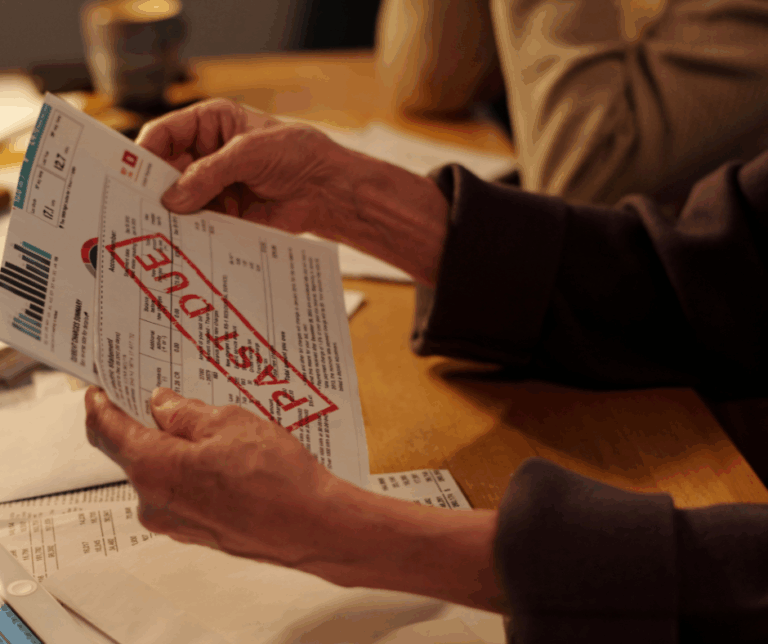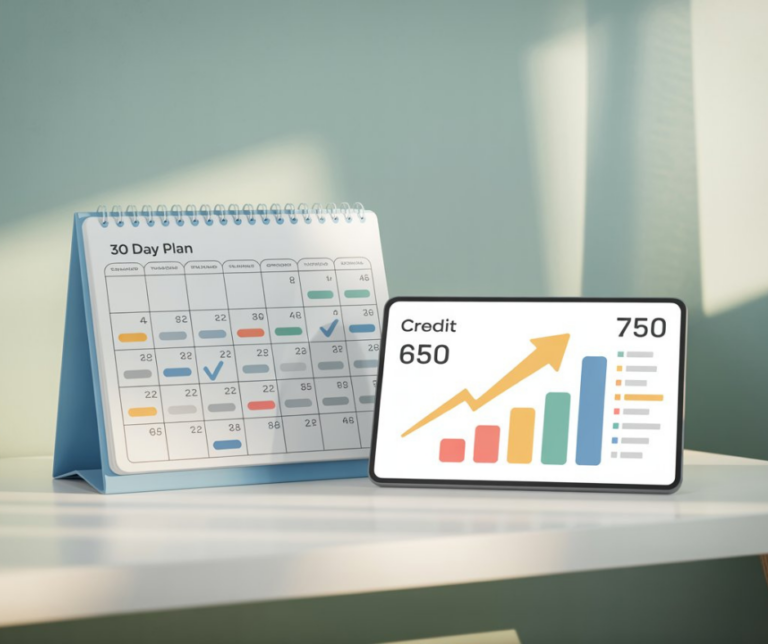
You are paying bills, trying to stay on track, and doing everything you can to rebuild your credit. Then you check your score and feel stuck. It is frustrating when your effort does not seem to show up in the numbers. These 7 overlooked credit report items could be quietly working against you. Here is what to look for and how to fix each one.
The problem is that some credit score damage does not come from the obvious places. It can come from small, forgotten, or misunderstood items hiding in your credit report.
The good news is that once you know what to look for, you can start taking control. Here are some of the most overlooked credit report items that may be hurting your score and what you can do about them.
1. Authorized User Accounts That Are Working Against You
Being added as an authorized user can help your credit when the account is healthy. But if the primary cardholder has a high balance, late payments, or poor account management, that account may hurt instead of help.
Look for authorized user accounts with:
- High credit utilization
- Missed or late payments
- Maxed-out balances
- Accounts that are newer than your own credit history
- Cards you no longer use or recognize
What to do:
Review each authorized user account on your credit report. If the account has negative activity or high balances, contact the card issuer or the primary account holder and ask to be removed.
Once removed, monitor your credit report to make sure the account no longer appears.
2. Store Credit Cards With High Balances
Store cards can seem harmless because they are often used for smaller purchases. But many store cards come with low credit limits, which makes it easy for utilization to climb quickly.
For example, a $400 balance on a card with a $500 limit means you are using 80% of that available credit. That can make your credit profile look riskier, even if you are making payments on time.
What to do:
Make a list of your store cards and compare each balance to its credit limit. Focus on paying down cards with the highest utilization first.
3. Old Unpaid Medical Balances
Medical bills can be confusing because they often involve insurance, billing errors, delayed statements, and collection agencies. Many people do not even realize a medical balance exists until it appears on a credit report.
While some medical collections may no longer appear depending on the balance, payment status, and reporting rules, larger unpaid medical collections can still create problems.
What to do:
If you find a medical collection, do not panic. Start by confirming:
- The original provider
- The date of service
- The amount owed
- Whether insurance should have covered any portion
- Whether the account is being reported correctly
If the information is inaccurate, outdated, duplicated, or already resolved, you may have grounds to dispute it.
This is where Kaydem Credit Help can be a natural next step. If you are unsure whether an account should be reported, how to dispute it, or where to start, Kaydem can help you review your credit report and build a clearer path toward credit restoration.
4. Small Collections You Forgot About
A forgotten utility bill, gym membership, phone account, or subscription balance can eventually become a collection account. Even if the amount is small, the impact can feel much bigger than expected.
Many people overlook these accounts because they moved, changed email addresses, switched providers, or thought the final bill had already been paid.
What to do:
Check the collections section of your credit report closely. For each account, write down:
- The collection agency name
- The original creditor
- The reported balance
- The date opened
- The last reported date
Then verify whether the account is accurate. Never assume a collection is valid just because it appears on your report.
5. Duplicate Accounts or Re-Aged Debt
Sometimes the same debt can appear more than once, especially if it was transferred or sold to another collection agency. In other cases, an old debt may appear with dates that make it look newer than it really is.
What to do:
Look for accounts with the same balance, same original creditor, or similar account numbers. Also review the dates carefully.
If a debt looks duplicated, incorrectly dated, or re-reported in a misleading way, gather documentation and consider disputing the inaccurate information.
6. Closed Accounts With Negative History
A closed account does not always disappear from your credit report. If the account had late payments, charge-offs, or collection activity, it may continue to affect your credit for years.
Some people only review open accounts and miss old closed accounts that are still dragging down their profile.
What to do:
Review both open and closed accounts. Pay close attention to:
- Late payment history
- Charge-off status
- Incorrect balances
- Accounts marked closed by creditor
- Accounts you do not recognize
If the information is wrong, dispute it. If it is accurate, focus on building positive recent activity to help strengthen your overall credit profile over time.
7. High Balances Reporting Before You Pay
Even if you pay your cards in full every month, your credit report may show a high balance if the card issuer reports before your payment posts.
This can make it look like you are using more available credit than you actually are.
What to do:
Find out your card’s statement closing date. Try making a payment before that date so a lower balance reports to the credit bureaus.
This small timing change can make a noticeable difference, especially if you are preparing to apply for a loan, apartment, car, or new credit card.
Final Thoughts
Rebuilding credit can feel overwhelming, but progress often starts with awareness. The items hurting your score are not always the largest debts or the newest accounts. Sometimes they are small, forgotten, duplicated, or misunderstood entries sitting quietly on your credit report.
When you know what to look for, you can take smarter action.