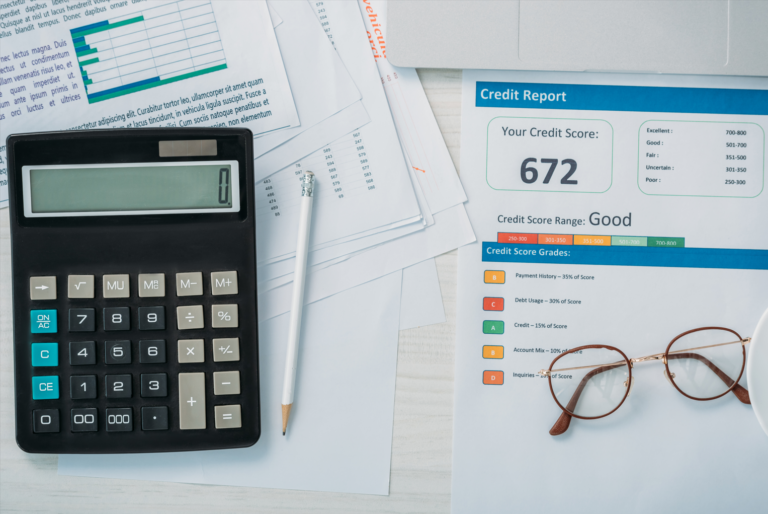

Your credit score for renting or buying a home is one of the most important factors landlords and lenders review, and preparing it before you apply puts you in a stronger position from the start.
Have you found an apartment you love, or maybe you are finally ready to start looking for a home of your own? Then the application asks for permission to check your credit.
That exciting next step can suddenly feel stressful. If your credit score is lower than you want, or your credit report has old negative items, you may start wondering whether your credit could keep you from getting approved.
The good news is that your credit does not have to be perfect before you make a move. When you understand how credit impacts renting or buying a home, you can take steps to prepare your credit, strengthen your application, and move forward with more confidence.
Why Your Credit Score for Renting or Buying a Home Matters
Whether you are renting an apartment or applying for a mortgage, your credit report gives landlords and lenders insight into how you have handled financial responsibilities in the past.
They may review:
- Payment history
- Credit card balances
- Collection accounts
- Past rental or utility debts
- Bankruptcies or charge-offs
- Overall credit score
- Debt compared to available credit
One credit issue does not automatically mean you will be denied. However, your credit can affect approval decisions, deposits, interest rates, loan options, and the overall cost of your next home.
How Credit Impacts Renting
When you apply to rent, landlords and property managers may check your credit as part of the screening process. They want to know whether you are likely to pay rent on time and meet the terms of the lease.
A weaker credit profile may lead to:
- A denied rental application
- A higher security deposit
- A request for a co-signer
- Higher move-in costs
- Fewer available rental options
Landlords may pay close attention to unpaid rent, utility collections, recent late payments, and collection accounts. Even with steady income, negative credit items can raise concerns.
What Renters Should Check First
Before submitting rental applications, review your credit reports from all three major credit bureaus.
Look for:
- Collection accounts you do not recognize
- Old utility or phone bills
- Incorrect late payments
- Medical collections
- Wrong personal information
- Duplicate accounts
- Rental-related debts
If something is inaccurate, outdated, duplicated, or does not belong to you, it may be worth addressing before you apply.
You can also prepare a short explanation for accurate negative items. A landlord may be more willing to work with you if you can show recent on-time payments, steady income, savings, or positive rental history.
How Credit Impacts Buying a Home
When buying a home, credit often plays a bigger role. Mortgage lenders use your credit to help decide whether you qualify, what loan programs may be available, and what interest rate you may receive.
Your credit can affect:
- Mortgage approval
- Down payment requirements
- Interest rates
- Monthly mortgage payments
- Loan options
- Private mortgage insurance costs
- Closing conditions
A higher credit score may help you qualify for better terms. A lower score may limit your options or make the loan more expensive.
That is why it is helpful to prepare your credit before renting or buying a home. Even small improvements can make a meaningful difference in how your application is viewed.
What Lenders Look For
Mortgage lenders usually review more than your score. They look at your full financial picture.
Common factors include:
- Credit score
- Payment history
- Debt-to-income ratio
- Credit card balances
- Recent credit inquiries
- Collections or charge-offs
- Length of credit history
- Employment and income stability
Late payments, high credit card balances, and recent collections can make approval more difficult. Consistent positive activity can help strengthen your credit profile over time.
How to Prepare Your Credit Before Moving
Improving your credit score for renting or buying a home does not require perfection, just a clear plan and consistent action. Start with these practical steps.
1. Pull Your Credit Reports
Review your credit reports from Equifax, Experian, and TransUnion. Each report may show different information, so checking all three gives you a clearer picture. You can access all three reports for free at AnnualCreditReport.com.
Review personal information, open accounts, closed accounts, collections, balances, and payment history.
2. Dispute Inaccurate Information
Credit report errors can unfairly hurt your ability to rent or buy a home.
Common errors include:
- Accounts that are not yours
- Incorrect balances
- Payments marked late by mistake
- Duplicate collections
- Outdated negative items
- Wrong personal details
If you are not sure what should be disputed, Kaydem Credit Help can help you review your credit report, identify potential problem areas, and understand your next steps. When you are preparing for a rental or mortgage application, having guidance can make the process feel much more manageable.
3. Lower Credit Card Balances
High credit card balances can impact your credit utilization, which may affect your score.
Focus first on cards that are closest to their limits. Paying down balances can help your credit profile look stronger to landlords and lenders.
4. Pay Every Bill on Time
Payment history is one of the most important parts of your credit health.
Set reminders, use autopay when possible, and create a simple bill calendar. If you are rebuilding credit, recent on-time payments can help show progress.
5. Avoid Too Many New Credit Applications
Before renting or buying, be careful with new credit cards, store cards, personal loans, or financing offers.
New applications can create hard inquiries and may lower the average age of your accounts. If you are preparing for a mortgage, speak with your lender before opening any new credit.
6. Save for Extra Costs
Credit matters, but savings matter too.
A stronger savings cushion can help with:
- Security deposits
- Moving costs
- Closing costs
- Inspections
- Repairs
- Unexpected application requirements
Savings may also make your application more attractive, especially if your credit is still improving.
Your credit can play a major role in your ability to rent or buy a home, but past credit challenges do not have to define your future.
Start by understanding what is on your credit report. Then focus on correcting errors, lowering balances, making on-time payments, and preparing before you apply.
With the right plan and support, you can rebuild your credit and move closer to the home, stability, and financial confidence you deserve.
The Bottom Line
Your credit score is one of the first things landlords and lenders look at when you apply to rent or buy a home. A strong credit profile can open doors. A weaker one can mean higher deposits, limited options, or a loan that costs more than it should.
The good news is that credit is not fixed. Pull all three of your credit reports, dispute anything inaccurate or outdated, pay down balances where you can, and make every payment on time going forward. Small consistent steps build real progress.
If you are not sure where your credit stands or what needs attention before you apply, that is exactly what Kaydem Credit Help is here for. Your next home is closer than you think, let’s make sure your credit is ready when you are.