
Rebuilding credit in 90 days isn’t about finding a shortcut, it’s about building the right habits from day one. Whether you’ve experienced missed payments, high credit card balances, collections, or simply want to improve your financial health, taking that first step puts you on the path toward greater opportunities. But here’s what surprises many people: rebuilding your credit doesn’t happen overnight.
It’s natural to want immediate results, especially if you’re preparing to buy a home, finance a vehicle, or qualify for better interest rates. However, lasting credit improvement is built through consistent habits, not quick fixes. The first 90 days are about laying a strong foundation that can continue improving your credit profile long after those initial three months. Here’s what matters most during that important first phase of your credit rebuilding journey.
Days 1-30: Understand Your Credit Profile
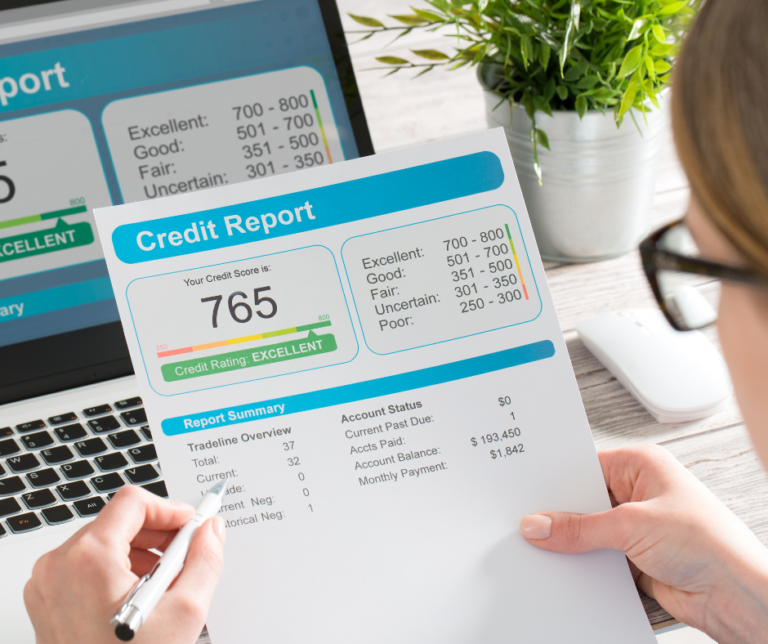
Before you can improve your credit, you need to understand what’s affecting it. Many people know their credit score but haven’t actually reviewed their credit reports. While your score provides a snapshot of your credit health, your credit report tells the complete story that lenders see when evaluating an application. During your first month, take time to review your credit reports and identify:
- Accounts with missed or late payments
- Collection accounts
- High credit card balances
- Accounts that may contain inaccurate information
- Recently opened accounts or hard inquiries
This is also a good opportunity to organize your financial picture. Make a list of your current debts, payment due dates, and outstanding balances so you know exactly where you stand. Trying to rebuild your credit without understanding what’s holding it back is like trying to navigate without a map. The clearer your starting point, the easier it becomes to create an effective plan. You can pull your free reports from all three bureaus at AnnualCreditReport.com to get started on your 90-day journey.
Days 31-60: Focus on the Habits That Matter Most
When you commit to rebuild credit in 90 days, the first step isn’t making payments, it’s understanding exactly what your credit report is telling you. One of the biggest misconceptions about credit repair is that it requires dramatic changes. In reality, the most meaningful improvements often come from doing a few simple things consistently. Start by making every payment on time. Payment history is one of the most influential factors in your credit profile, so establishing a pattern of on-time payments is one of the best things you can do. Next, pay close attention to your credit card balances. Even if you’re making your payments, carrying high balances can negatively impact your credit utilization ratio. If possible, work toward lowering your balances over time while avoiding unnecessary new debt.
This is also a good time to avoid applying for additional credit unless it’s truly necessary. Multiple applications within a short period can result in additional hard inquiries and may make lenders view your profile as higher risk. Simple tools like automatic payments, calendar reminders, or budgeting apps can help you stay organized and avoid missing future payments. The goal during this stage isn’t perfection. It’s consistency.
Days 61-90: Build Momentum
By the third month, many of your new habits are beginning to become routine. While your credit score may not have changed dramatically yet, positive behaviors are building a stronger credit history that lenders can eventually recognize. This is an excellent time to monitor your progress by reviewing your credit reports and checking for updates. Reaching day 61 means you’re halfway through your plan to rebuild credit in 90 days, and the habits you’ve built are already doing quiet work in the background.
You may begin seeing balances decrease, accounts reporting additional on-time payments, or previously disputed information being corrected. Just as importantly, continue resisting the temptation to apply for multiple new credit accounts simply because you’ve started seeing improvement. Credit rebuilding isn’t about chasing quick wins. It’s about creating financial habits that continue benefiting you long after your score begins to improve. The more consistent you are during these first 90 days, the stronger your long-term results are likely to be.
What You Shouldn’t Expect
One of the biggest reasons people give up on rebuilding their credit is unrealistic expectations. It’s important to remember that negative information generally doesn’t disappear overnight, and your score may not increase immediately after making positive changes. For example, if you’ve had late payments, those items can remain on your credit report for several years, although their impact generally decreases over time as you continue demonstrating responsible credit behavior.
Similarly, paying down balances may improve your credit utilization, but lenders also want to see a consistent history of responsible financial management. That’s why patience is such an important part of the process. Every on-time payment, every reduced balance, and every month of responsible credit use helps strengthen your overall credit profile.
Small Improvements Create Big Results
Rebuilding credit isn’t about finding one magic solution. It’s about making small, smart financial decisions repeatedly until they become habits. As time passes, those habits begin working together:
- A longer history of on-time payments strengthens your payment history.
- Lower balances improve your credit utilization.
- Responsible account management builds lender confidence.
- Fewer unnecessary applications help demonstrate financial stability.
Each individual improvement may seem small, but together they create a healthier credit profile and increase your chances of qualifying for better financing opportunities in the future. The first 90 days aren’t about reaching the finish line. They’re about creating the momentum that carries you there.
Rebuilding Credit in 90 Days Is a Journey
The first 90 days are your opportunity to establish habits that can improve your financial future for years to come. By understanding your credit profile, making payments on time, reducing balances when possible, and staying committed to the process, you’ll be building a stronger foundation with every passing month.
Remember, meaningful progress doesn’t happen because of one perfect decision. It happens because of many consistent ones. If you’re ready to rebuild your credit but aren’t sure where to begin, Kaydem Credit Help can help. Our team can review your credit profile, identify opportunities for improvement, and create a personalized action plan designed to help you make the most of your first 90 days and beyond. You don’t have to navigate the process alone, and the right guidance can help you move forward with confidence.
If you’re unsure how collections or late payments are affecting your profile, our credit review process can help you get clarity before you begin.